
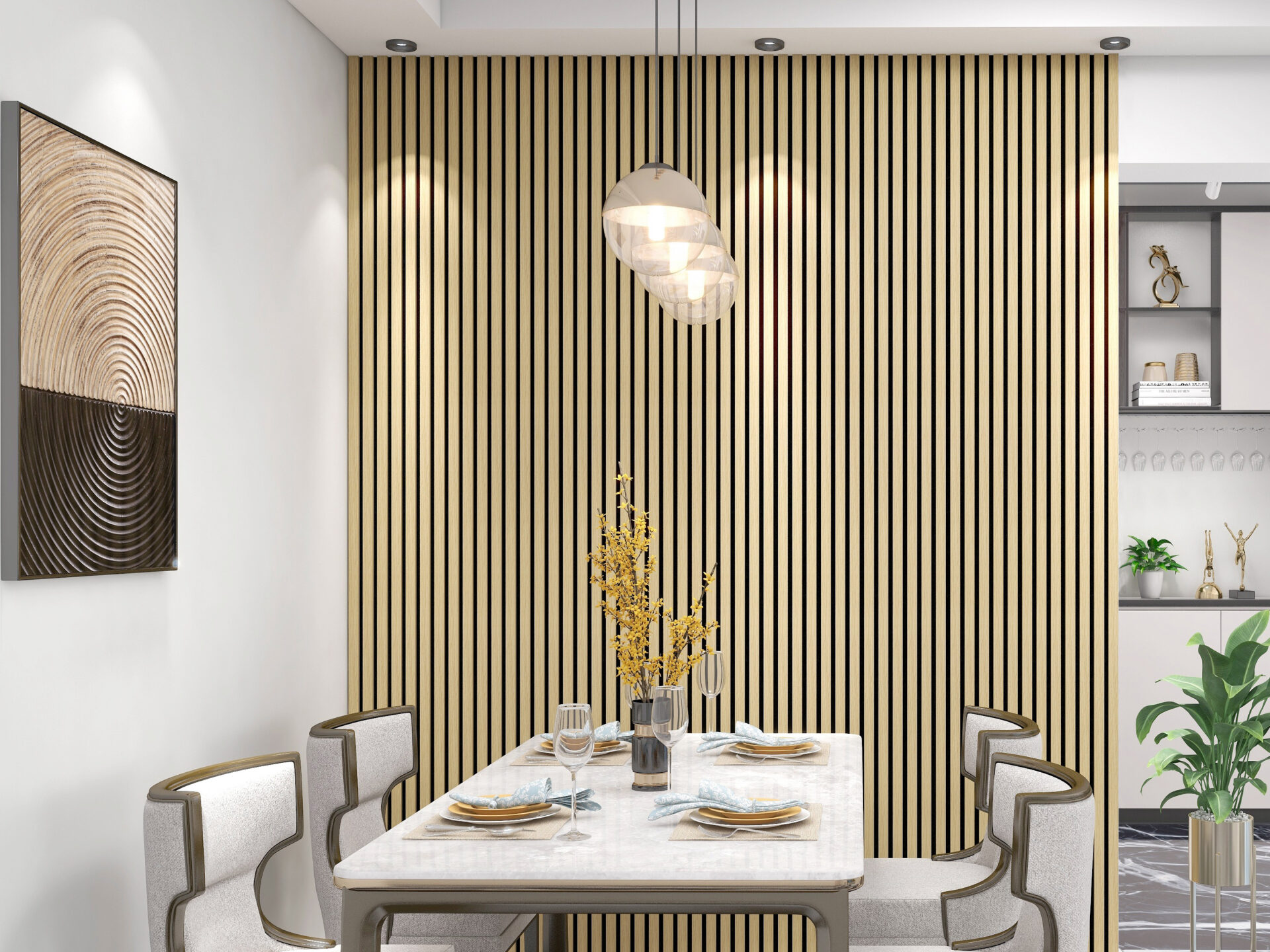
There’s a straightforward reason wall panels have become one of the most popular interior trends in recent years: they do a lot of things at once. They add texture and visual interest to a room that plain painted walls can’t achieve. They can improve the acoustic quality of a space. And they can completely change the feel of a room in a way that’s relatively accessible compared to more structural renovation work.
If you’re considering wall panels for your home or workspace, here’s what you need to know about your options and how to use them effectively.
Two Main Types: MDF and Acoustic Panels
Most wall panels fall into one of two broad categories, each with a different primary purpose.
MDF wall panels are designed primarily for their visual impact. They typically feature a slatted or ridged profile that creates depth and shadow on the wall, transforming a flat surface into something with genuine texture and character. They’re available in a range of colours and finishes, from neutral tones like anthracite grey and medium oak to more expressive options depending on the collection. MDF panels are popular in living rooms, hallways, home offices, and bedrooms as a feature wall or full room treatment.
Acoustic wall panels are designed with sound management as their primary function, while still looking attractive. They contain materials that help absorb sound and reduce echo and reverberation in a room. This makes them particularly well-suited to home offices where video call clarity matters, open-plan living spaces where noise can travel, media rooms, or any space where sound quality affects how the room is used. Acoustic panels in natural wood finishes, such as dark walnut or oak veneer, offer both functional and aesthetic value in the same product.
Where Wall Panels Work Best
Wall panels work in most rooms of the home, but they tend to have the greatest impact in a few specific settings.
Living rooms and reception rooms are a natural fit. A slatted feature wall behind a sofa or television unit adds depth and character without overwhelming the space. Paired with the right paint colour and flooring, it can anchor the room and give it a finished, considered quality that plain walls don’t provide.
Hallways and stairs benefit from wall panelling because these are transition spaces, areas you move through rather than linger in. Panels add visual interest to spaces that might otherwise feel overlooked. A panelled hallway creates a strong first impression and sets the tone for the rest of the home.
Home offices are where acoustic panels really come into their own. Working from home has made the quality of sound in a dedicated workspace genuinely important, both for your own concentration and for the impression you give on calls. Acoustic panels that also look good are a practical solution that doesn’t require you to choose between function and aesthetics.
Bedrooms can benefit from a single panelled wall behind the bed, creating a headboard-style feature that gives the room a more designed, considered look without the need for additional furniture.
Coordinating Panels With Your Existing Interior
One of the practical questions people have about wall panels is how to make them work with an existing interior rather than starting from scratch. The approach is similar to coordinating any other material in a room: look at what’s already there and find a panel finish that responds to it.
If you have warm oak or honey-toned floors, a medium oak or warm-toned panel will carry the same warmth upward and create visual continuity. If your existing interior is cooler in tone, greys, white woodwork, cooler stone, then an anthracite grey or darker walnut panel might coordinate more naturally.
It’s also worth thinking about paint colour. The wall behind the panels, and the walls adjacent to them, should complement rather than compete with the panel finish. Our team can help you think through these combinations when you visit the showroom.
A Practical Option for Offices and Commercial Spaces Too
Wall panels aren’t limited to residential use. In offices and commercial spaces, they can significantly improve the character and acoustic quality of a working environment. As more businesses invest in making their spaces look and feel better, for both employees and clients, wall panels have become a practical part of interior fit-outs. The combination of visual improvement and acoustic function makes them particularly versatile in these settings.
Explore Wall Panels at Madison Flooring & Décor
We stock a range of MDF and acoustic wall panels in a variety of finishes, from understated neutrals to richer wood tones. Whether you’re planning a feature wall in a living room or looking to improve the acoustics in a home office, our team in Naas can help you find the right option for your space.
Visit our showroom to see the finishes in person, or browse our full range online.
Explore our wall panels collection online, or contact us to discuss your project.