
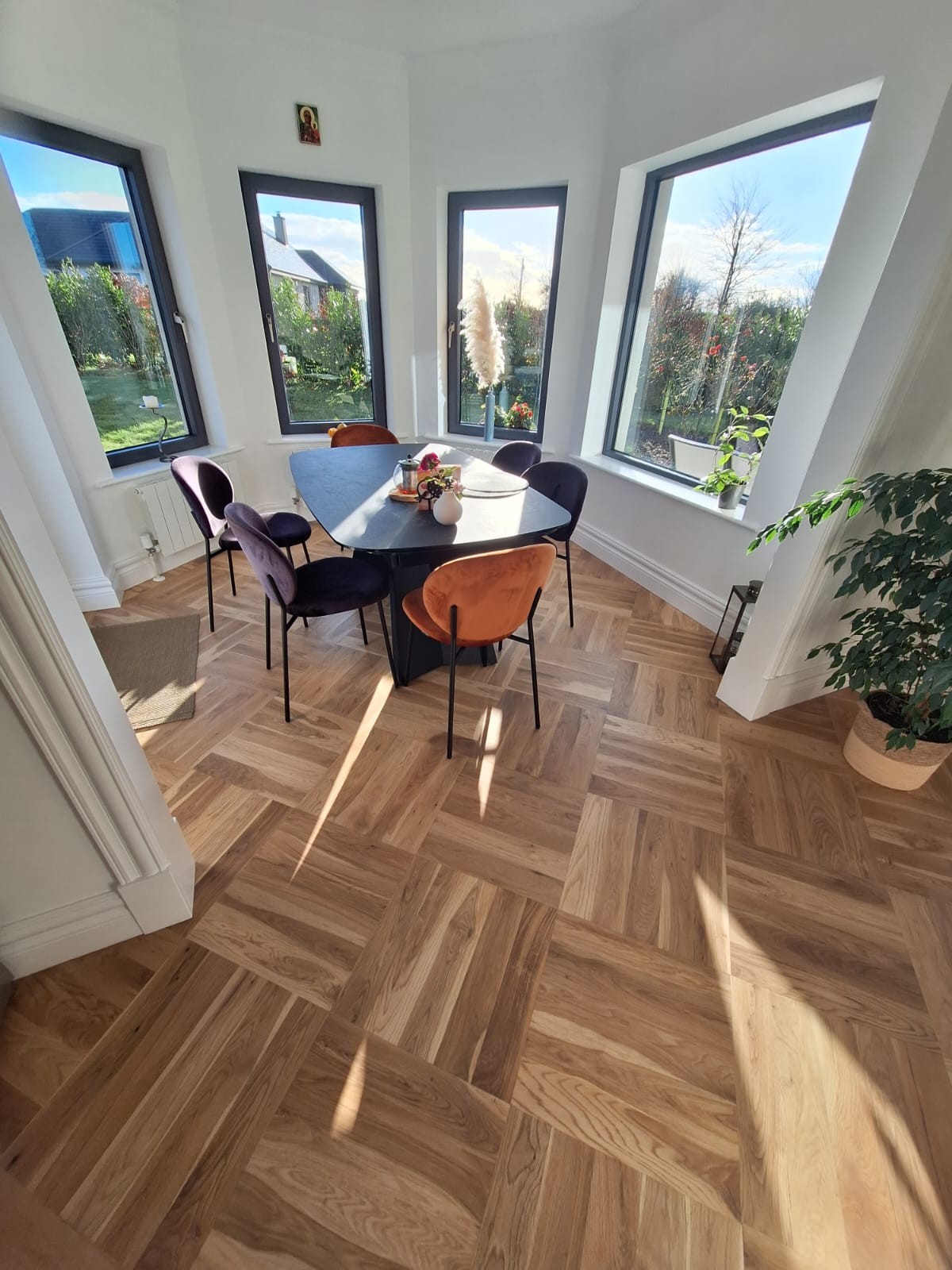
Choosing between solid wood and hardwood flooring requires weighing multiple factors beyond initial appearance. Budget matters, obviously, but so does where you’re installing, how long you plan to stay in the property, and what level of future maintenance you’re comfortable with. Neither option is universally “better” – they suit different circumstances, and making the right choice depends on honestly assessing your specific situation.
Budget Realities
Solid wood flooring costs more initially than hardwood flooring in most cases. The material itself is more expensive – you’re getting solid timber rather than a veneer over plywood. Installation typically costs more too, particularly if you’re working with concrete subfloors where battens need installing before you can lay solid wood. These higher upfront costs deter many people who might otherwise prefer solid wood.
Hardwood flooring offers more affordable entry to wood flooring. The layered construction costs less to manufacture, and simpler installation methods reduce labour costs. For budget-conscious projects, hardwood flooring delivers genuine wood appearance and decent longevity at lower initial investment. This makes it accessible to people who want wood floors but can’t stretch to solid wood pricing.
However, comparing just initial costs misses part of the picture. Solid wood’s refinishability and longer lifespan mean lower cost per year of service when you calculate over decades. Hardwood flooring’s lower upfront cost comes with the understanding that it won’t last as long. For shorter-term planning, hardwood flooring offers better value. For lifetime-of-the-property planning, solid wood’s economics improve considerably.
Property Type Considerations
Modern well-insulated properties with stable heating suit solid wood perfectly. These homes maintain consistent temperature and humidity, which is where solid wood performs best. If your property has minimal environmental fluctuation, solid wood’s stability concerns become largely theoretical rather than practical problems.
Older properties with less climate control benefit from hardwood flooring’s stability advantages. Properties that cool down overnight or sit empty during work hours experience more temperature cycling. Holiday homes with intermittent heating face extreme fluctuations. Hardwood flooring handles these varying conditions more gracefully than solid wood.
New builds present specific considerations. Concrete subfloors are standard, which favours hardwood flooring’s simpler installation. New properties also often include underfloor heating systems, which rules out solid wood entirely. If you’re flooring a new build, hardwood flooring likely makes more practical sense regardless of budget, simply because it works better with new construction methods.
Future Plans
How long you plan to stay in the property affects which flooring makes better sense. If this is your forever home and you’re thinking in decades, solid wood’s longevity and refinishability justify higher initial investment. You’ll get the benefit of that durability and have options for changing appearance through refinishing as your tastes evolve.
For properties you’ll sell within a decade or so, hardwood flooring offers excellent value. You’ll get the full benefit of its lifespan during your ownership, and the lower initial cost means better return on investment when selling. The next owners might eventually need to replace it, but that’s not your concern during your ownership period.
Investment properties and rental homes suit hardwood flooring particularly well. The lower initial cost makes more financial sense when you’re not the one living there daily. Hardwood flooring handles tenant turnover and varying levels of care adequately, and when it eventually needs replacing, you’ve had decades of service from a lower-cost investment.
Matching Existing Flooring
If you’re extending existing wood flooring into new areas, matching construction type simplifies things. Mixing solid and hardwood flooring between rooms can work, but transitions require careful planning. Keeping the same construction type throughout makes matching and transitions more straightforward.
However, don’t let existing flooring lock you into inappropriate choices for new areas. If you have solid wood in living rooms but need to floor a room with underfloor heating, hardwood flooring makes sense despite the mismatch. The practical requirements of specific rooms matter more than perfect consistency throughout the property.
Making the Final Decision
There’s no universally correct answer between solid wood and hardwood flooring. The right choice depends on your budget, property type, subfloor, whether you have underfloor heating, how long you’re staying, and how much you value refinishability. List your specific requirements and constraints, then see which flooring type addresses more of them.
Be honest about priorities too. If you love the idea of solid wood but have concrete subfloors and underfloor heating, you’re choosing hardwood flooring unless you want to compromise your heating system. If you’re budget-conscious but insist on refinishability, you might need to save longer to afford solid wood rather than compromising on cheaper hardwood flooring.
Ready to make your flooring decision? Madison Flooring can help you work through these factors based on your specific situation. We stock both solid wood and hardwood flooring and will recommend what actually suits your circumstances rather than just upselling expensive options. Visit our showroom in Kildare to see both types, discuss your requirements, and make an informed choice. Call 045 831 900 or get in touch through our website.